


Acquiring Competencies
My Key Learnings
1. Design Research Principles
Design research taught me to gather insights using methods like interviews, surveys, and testing. Learning this took practice in asking the right questions and analyzing data objectively. This skill is important in my career because it ensures my designs are user-focused and based on real needs rather than assumptions.

2. Client Needs Discovery and Definition
I developed the ability to discover and define client needs through clear communication and active listening. It took multiple project experiences to learn how to ask the right questions and read between the lines of what clients say. This competency will help me create designs that meet business goals and build strong professional relationships.

3. Communication with Clients and Meeting Expectations
I learned how to keep clients informed and involved throughout the design process. Acquiring this skill required me to practice presenting work professionally and accepting constructive feedback. Clear communication will be essential in my career because it keeps projects on track and ensures client satisfaction.

4. Branding Concepts
Understanding branding means knowing how to create a consistent look, feel, and message for a business. I gained this competency by studying brand strategy, analyzing case studies, and applying branding principles to my own projects. In my career, this knowledge will allow me to craft identities that connect emotionally with target audiences.

5. Defining Audience, Needs, and Core Values
This competency involves understanding who the audience is and what matters most to them. It took time to research demographics, psychographics, and behavior patterns to make informed design choices. This skill will guide me in creating multimedia projects that are relevant and resonate with viewers.

6. Strategy, Collaboration, and Adaptation
I learned to approach projects strategically, work with teams, and pivot when necessary. This took practice collaborating with peers, managing deadlines, and staying flexible when plans changed. In my career, this competency will help me stay effective in fast-paced, team-oriented environments.
7. Product Features vs. Product Benefits
I learned the difference between describing what a product does (features) and why it matters (benefits). Acquiring this competency involved reframing messaging during design critiques and marketing exercises. This understanding will help me design campaigns that persuade audiences by showing value rather than just functionality.


8. Brand Voice and Tone
I developed the ability to give brands a distinct personality through voice and tone. It took practice writing copy and pairing words with visuals to keep the message consistent. This will be important in my career because a strong, consistent voice builds recognition and trust.
9. Brand Trust
Building brand trust means creating designs that feel credible, authentic, and professional. I learned this through research on consumer psychology and practicing transparent communication. This skill will allow me to create multimedia work that strengthens a brand’s reputation.
10. Prototyping
I became skilled in prototyping with tools like Figma to visualize and test ideas before final production. This competency took time to learn software tools and iterate quickly on designs. In my career, prototyping will save time and resources by catching problems early and gathering user feedback.


11. Conceptual Imagery, Metaphors, and Symbolism
I learned to use visual storytelling and symbolism to communicate deeper meaning. Acquiring this skill required creativity, brainstorming, and feedback on how well the imagery resonated. This will be important because powerful visuals engage audiences and make a design more memorable.

12. Differentiation and Positioning
This competency involves helping a brand stand out in a competitive market. I learned this by analyzing competitors and finding unique angles for my designs. In my career, this skill will be key to creating work that attracts attention and sets a client apart.

13. Event Creative Briefs
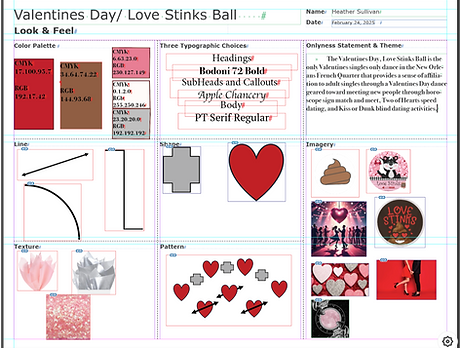
I gained experience writing creative briefs to plan multimedia projects for events. This took practice outlining objectives, audiences, and deliverables in clear and actionable ways. This competency will be valuable in my career because it ensures all stakeholders share the same vision before production starts.
14. Multimedia Integration
I developed the ability to combine video, audio, and graphics into cohesive multimedia projects. Acquiring this skill involved learning tools like Adobe Premiere Pro, After Effects, and Audition. This will be a core part of my career as a multimedia designer because it allows me to deliver polished, engaging content across platforms.


15. Color, Typography, and Visual Aesthetics
I learned to choose colors, fonts, and imagery that work together to create a mood and communicate a message. It took time studying design principles and experimenting with different combinations. This competency is crucial because good visual choices make a design more effective and professional.


